

kW vs kWh: understanding battery power and capacity
Power and capacity are two different numbers on every battery datasheet. Here is what each one tells you, and where installers and buyers most often mix them up.
Every battery datasheet puts two numbers side by side, and they describe completely different things. One tells you how fast the battery can work. The other tells you how long it can keep working. Mixing them up is the most common reason a customer feels let down by a system that is, on paper, exactly what they asked for.
kW is the rate, kWh is the amount
A kilowatt (kW) is power: the rate at which energy moves at any one instant. It is the number that decides whether the system can run the oven, the air conditioner and the kettle at the same time.
A kilowatt hour (kWh) is energy: the amount stored. It is the number that decides how long the house can run on the battery before it needs the sun or the grid again.
The plumbing comparison still works best on site. kW is how wide the pipe is. kWh is how big the tank is. A wide pipe on a small tank empties quickly. A big tank behind a narrow pipe will not fill the bath any faster, no matter how much water is in it.
Where each number lives on the quote
On a hybrid system the two numbers usually sit with two different pieces of equipment, which is exactly why they get confused.
- The inverter carries the kW figure. A 5 kW hybrid inverter sets the ceiling on how much power can flow at once.
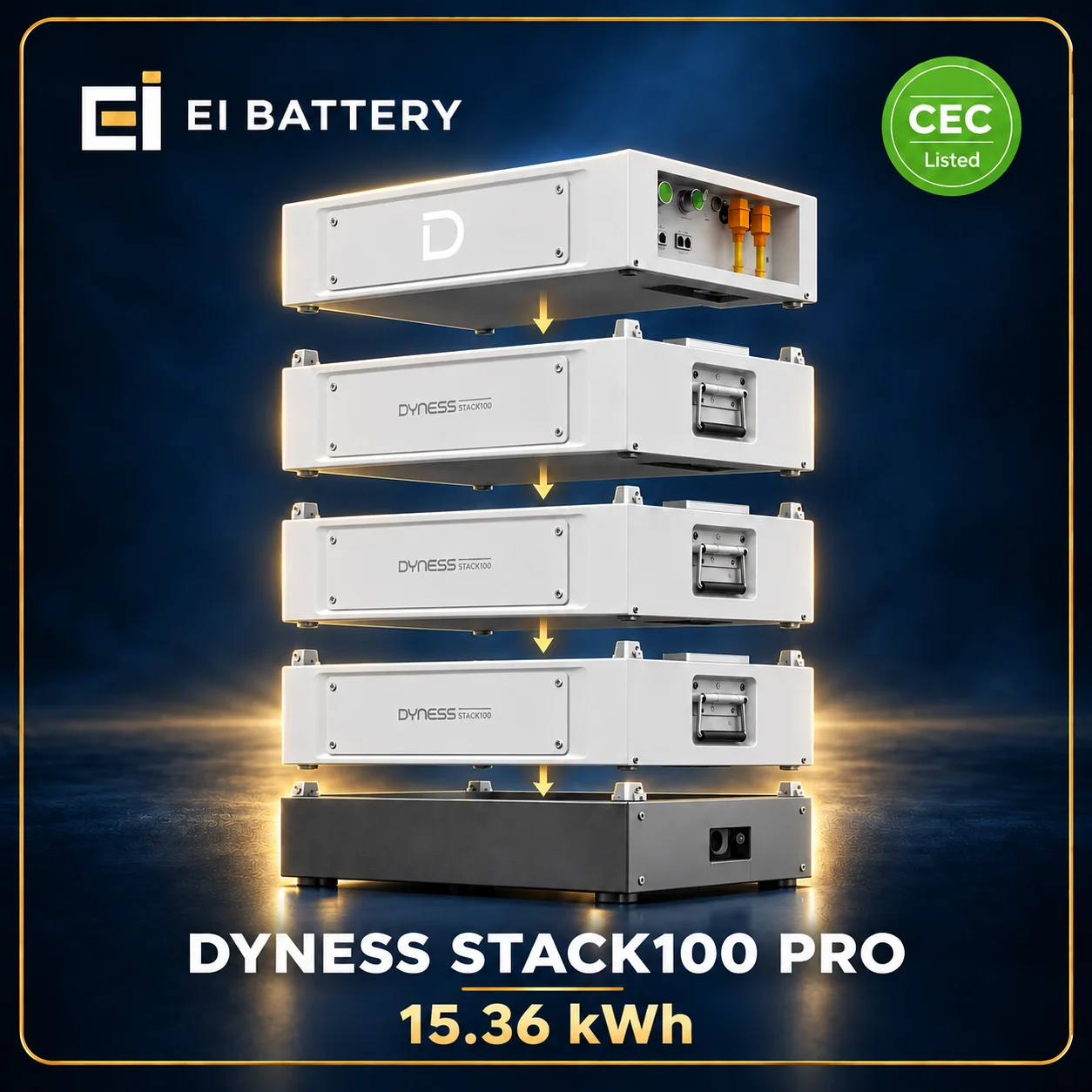
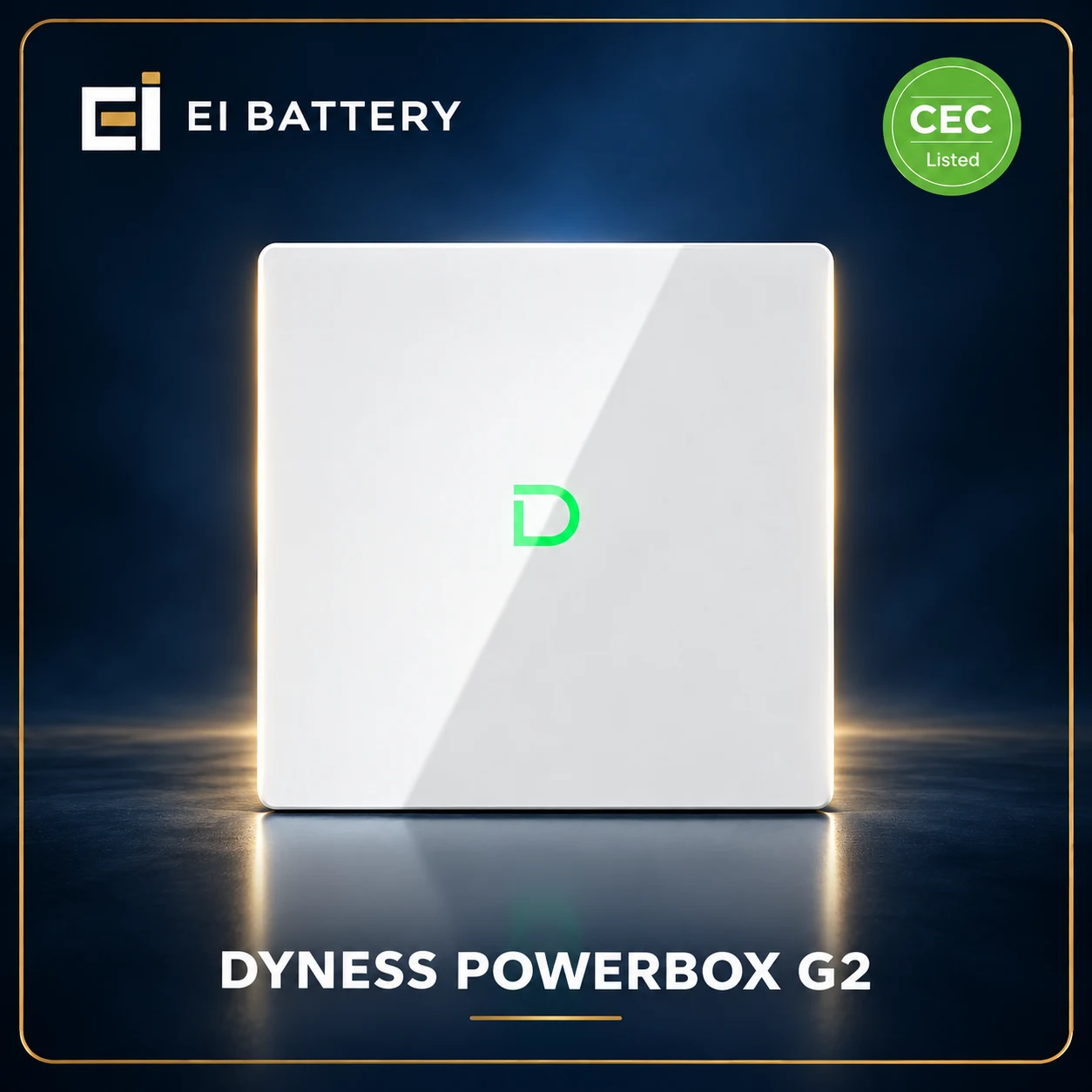
- The battery carries the kWh figure. A 10.24 kWh Powerbox G2 or a 15.36 kWh Stack100 Pro cluster sets how much energy is held.
So a home can have a large battery and still trip when too much is switched on at once, because the limit was never the storage. Equally, a powerful inverter on a small battery will cover a kettle and a cooktop happily, then run out of stored energy well before morning.
Nominal and usable are not the same either
There is a second distinction worth getting right in the same conversation. Nominal energy is the full rated capacity of the cells. Usable energy is what the battery management system will actually let out, which is always the smaller figure. When you quote a battery to a customer, quote the usable figure, because that is the one they will experience.
Always read the specific datasheet for the model and the Australian suffix you are actually supplying, rather than assuming figures carry across a product family. Our technical assistant links the datasheet page behind any figure it quotes, so you can check it against the manufacturer's own document.
A worked example for the kitchen table
Picture a household that uses about 20 kWh a day and wants the battery to cover the evening and overnight, say 12 kWh of that.
Capacity answers the overnight question: roughly 12 kWh of usable storage, so somewhere around a 15 kWh nominal system once the usable margin is taken into account.
Power answers the simultaneous-load question: add up what might realistically run together at 7pm. If that comes to about 4 kW, a 5 kW hybrid inverter has the headroom. If the home has a large reverse-cycle system, induction cooking and an EV charger that will all overlap, the power figure needs a harder look than the capacity figure.
Questions worth asking before you quote
- What does the household use in a day, from the bill rather than from memory?
- What should the battery cover: the evening peak, overnight, or a blackout?
- What will realistically run at the same time, and what is the biggest single load?
- Is the customer likely to add capacity later, and does the chosen platform allow it?
- Which figure matters more to this customer: riding through an outage, or shaving the peak tariff?
The short version
kW is how hard the system can push. kWh is how long it can keep pushing. Size the kWh against what the household uses, size the kW against what the household switches on at once, and quote the usable figure rather than the nominal one. Get those three habits right and the conversation about battery size stops being a guess.
Final equipment selection, string design, switchboard work and commissioning remain the responsibility of the licensed electrical contractor for the site.
Products mentioned
Ready to price this for a job?
Send the site details and we'll come back with equipment, freight and lead times.