

Best 5 kW Hybrid Inverters for Australian Trade Installs
A straight look at the two 5 kW hybrid inverters Australian installers ask us for most, how to match them to the battery, and the wholesale detail behind the quote.

If you are quoting your third battery job this month, you do not need another glossy brochure about the future of energy. You need a 5 kW hybrid inverter that lands on site, fits the switchboard, talks to the battery the first time and comes with a supplier who picks up the phone when something goes wrong. This is a straight look at the two 5 kW hybrid inverters we move most through the wholesale counter, what actually matters when you are standing in front of the board, and the commercial detail behind the quote.
What actually matters in a 5 kW hybrid inverter for a trade install
Spec sheets are the easy part. Every 5 kW hybrid inverter on the market will claim high efficiency and a tidy app. The differences that cost you a callback are far more practical. Does the inverter match the battery chemistry and voltage the customer has already agreed to? Is the DC isolator and WiFi already onboard, or are you adding line items to the quote? How long is the warranty and, more importantly, who is holding the stock and the paperwork when a claim goes in?
Get the topology wrong and the rest of the job follows. A single-phase home with a modest array is not the same install as a property that wants to keep expanding storage in two years, and the inverter choice locks that in. So before price, before branding, sort the job into three questions: single-phase or three-phase, high-voltage or low-voltage battery, and how much storage the client might realistically add later.
The shortlist: 5 kW hybrid inverters worth quoting in Australia
Two platforms cover the bulk of what Australian installers ask us for at the 5 kW mark, and between them they handle almost every single-phase residential job you will quote this season. Both are supplied to the trade only, at ex GST wholesale pricing, with freight quoted up front and warranty support handled by us.
Solinteg MHS-5K-30 5 kW hybrid inverter
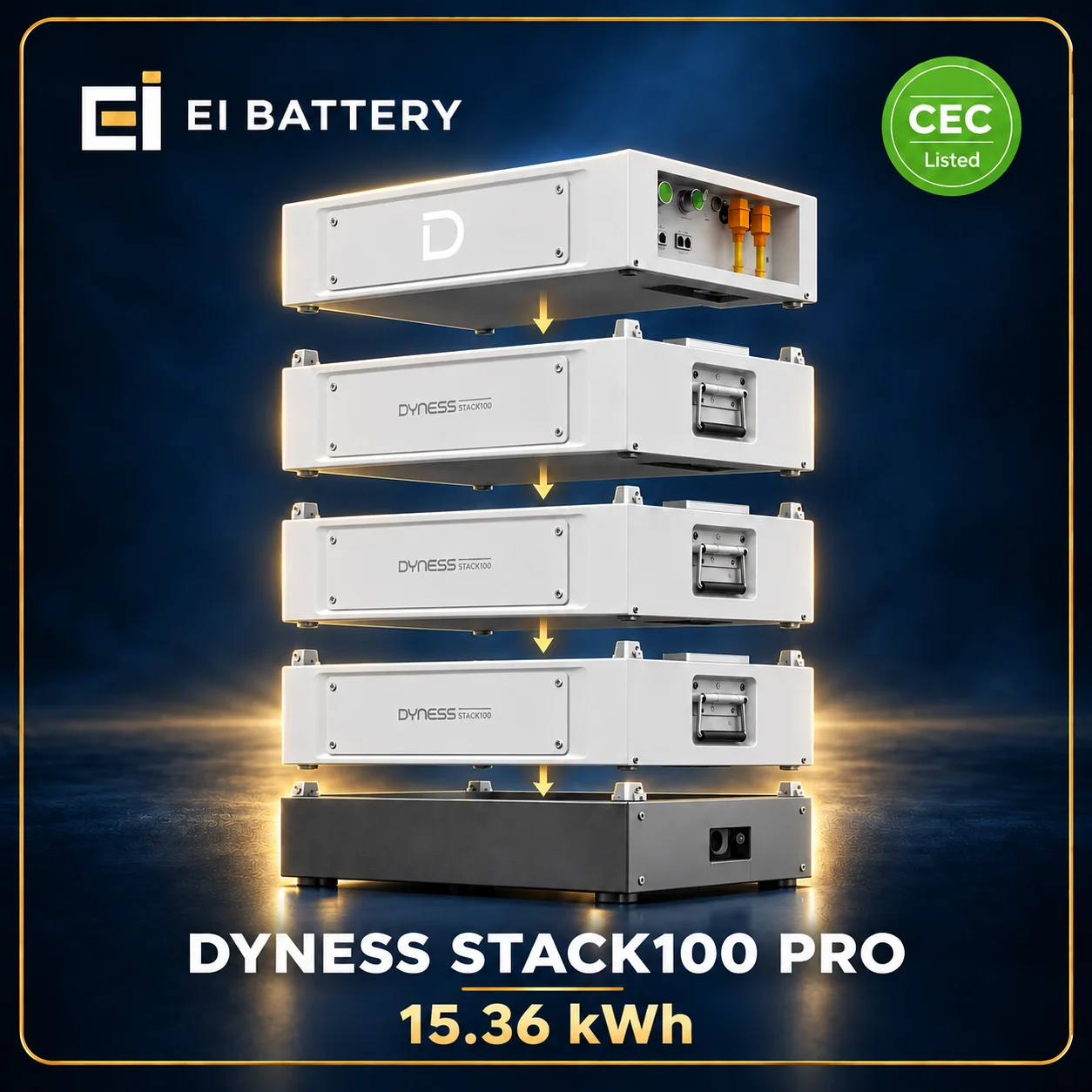
The MHS-5K-30 is a single-phase, high-voltage hybrid inverter built for Stack100 Pro single-phase systems. High-voltage architecture keeps the battery current low, which means thinner DC cabling, less voltage drop over the run and a cleaner cable tray on the wall. If the client is planning a proper storage install that starts at 15 kWh and may grow to the 76 kWh end of the Stack100 Pro range, this is the inverter that sits at the front of that system.
It is the sensible default when you want the storage to be the headline and the inverter to be the quiet, dependable box that manages it. Paired with the Stack100 Pro BDU, one unit can service up to fifteen battery modules, so you are not re-speccing the inverter every time the customer adds capacity.
Solis S6-EH1P5K-L-PLUS-AU 5 kW hybrid inverter
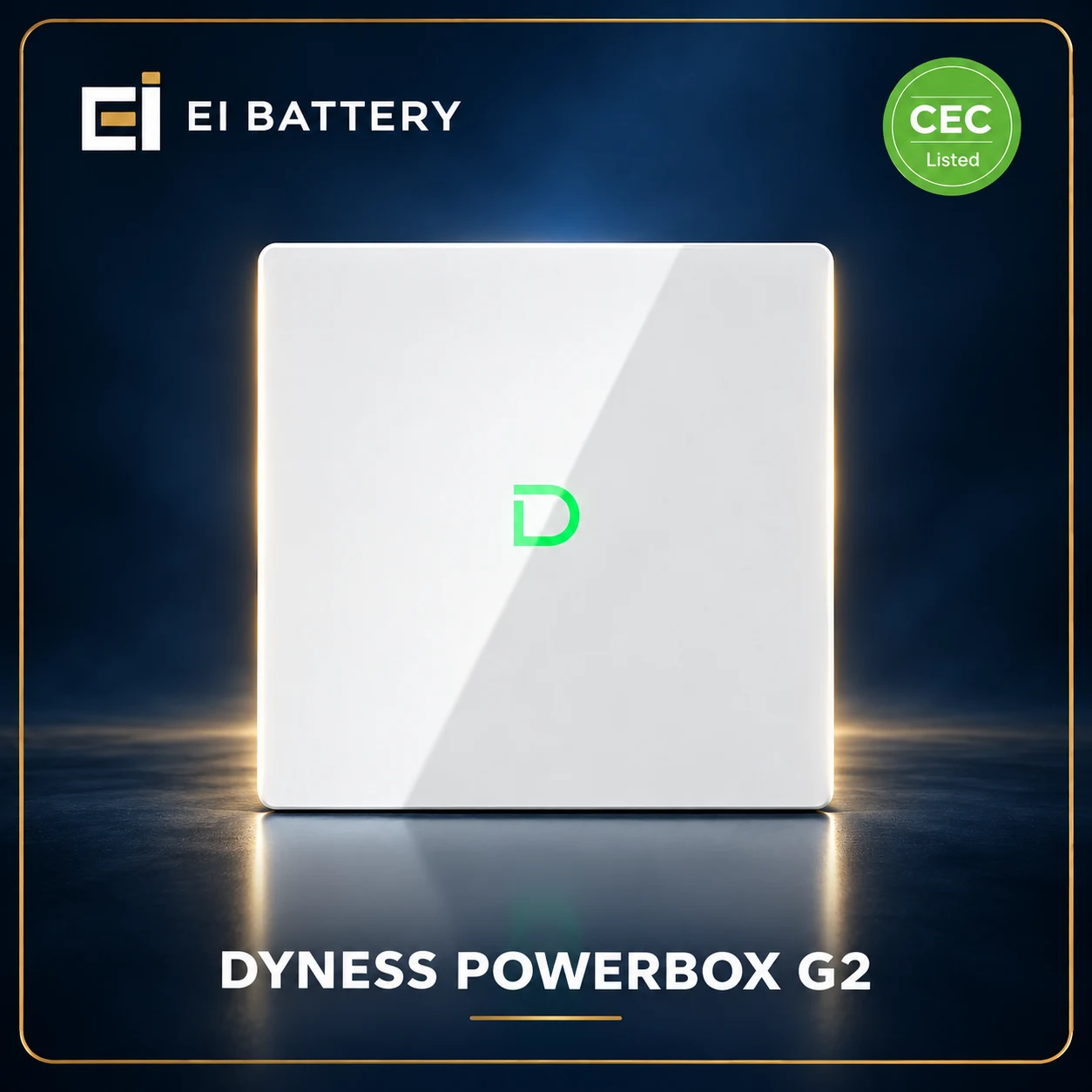
The Solis S6 PLUS is a 5,000 W single-phase low-voltage hybrid inverter with built-in DC and WiFi included. That matters commercially: fewer accessories to buy means a tighter bill of materials and a quote that is easier to defend. Low-voltage platform means it pairs naturally with low-voltage storage such as the Powerbox G2, the slim 10.24 kWh LiFePO4 block that scales in parallel.
For straightforward residential jobs where the customer wants a well-known inverter brand, a low-voltage battery and a simple commissioning, this is the workhorse. It is also the easy answer when the battery has already been chosen and you need the inverter to match it rather than the other way around.
Head-to-head: Solinteg MHS-5K-30 vs Solis S6-EH1P5K-L-PLUS-AU
Both are 5 kW, single-phase hybrids. The decision comes down to the storage side of the job. Go Solinteg MHS-5K-30 when you are building a high-voltage Stack100 Pro system and want scalability from 15.36 kWh upward without reworking the DC design. Go Solis S6-EH1P5K-L-PLUS-AU when the job is low-voltage, the battery is a parallel block such as the Powerbox G2, and you want the DC isolator and WiFi already in the box.
If the customer wants a single all-in-one unit rather than separate inverter and battery, the Cygni All in One packages 15.20 kWh of storage with a 10 kW hybrid inverter in a slimline cabinet, which removes the inverter-versus-battery matching question entirely and cuts install time. It is a different job to a pure 5 kW hybrid, but it belongs on the same shortlist conversation, because plenty of clients will take the packaged option once they see the labour saving.
Matching the inverter to the battery you install
A 5 kW hybrid inverter is only as good as what hangs off it. On the high-voltage side, the Stack100 Pro cluster builds from 5.12 kWh Dyness modules, with the Stack100 Pro bundle delivering 15.36 kWh from three modules plus BDU and base. On the low-voltage side, the Powerbox G2 gives you a 10.24 kWh block that you parallel up as the job needs. The Solinteg MHS-5K-30 and the Solis S6 PLUS map neatly onto those two paths.
One practical tip from the trade counter: confirm the battery voltage platform before you lock the inverter into the quote. Changing a customer's storage plan after the switchboard has been set out is a cost you wear, not them.
Wholesale pricing, freight and warranty: what to check before you buy
This is where a wholesale supplier earns its place. You want ex GST trade pricing up front, so you can build your margin without reverse-engineering the number. You want stock status and lead times that are real, not a hopeful date. You want freight quoted with the order rather than discovered at dispatch. And you want a warranty process that goes through the supplier you bought from, with the paperwork already handled.
Just as important, you want a supplier that stays in its lane. We supply the trade; we do not chase your end customer, we do not undercut you on the install, and we do not turn your client into our lead. That is the whole arrangement, and it is why installers keep the same account open for years.
How to choose: a quick decision guide
If the array is single-phase, the battery is low-voltage and the job is straightforward, quote the Solis S6-EH1P5K-L-PLUS-AU. If you are building high-voltage storage that will scale past 15 kWh, quote the Solinteg MHS-5K-30 with a Stack100 Pro cluster. If the client wants one slimline box that does storage and inversion together, put the Cygni All in One in front of them.
Sizing still belongs to you: check the household load, the array the Risen 630 W panels will realistically produce, and what the client wants the battery to cover overnight. A 5 kW inverter is the right answer for most single-phase homes, but the storage behind it is what the customer actually notices.
The bottom line
There is no single best 5 kW hybrid inverter for every Australian install, which is why a shortlist beats a ranking. Match the platform to the battery, match the accessories to the job, and buy from a supplier whose pricing, freight and warranty are clear before you sign the quote. Do that and the inverter becomes the least interesting part of the job, which is exactly what you want it to be.
If you are ready to price a job, send through your bill of materials and we will come back with wholesale pricing, stock and a delivery date you can plan around.
Products mentioned
Ready to price this for a job?
Send the site details and we'll come back with equipment, freight and lead times.